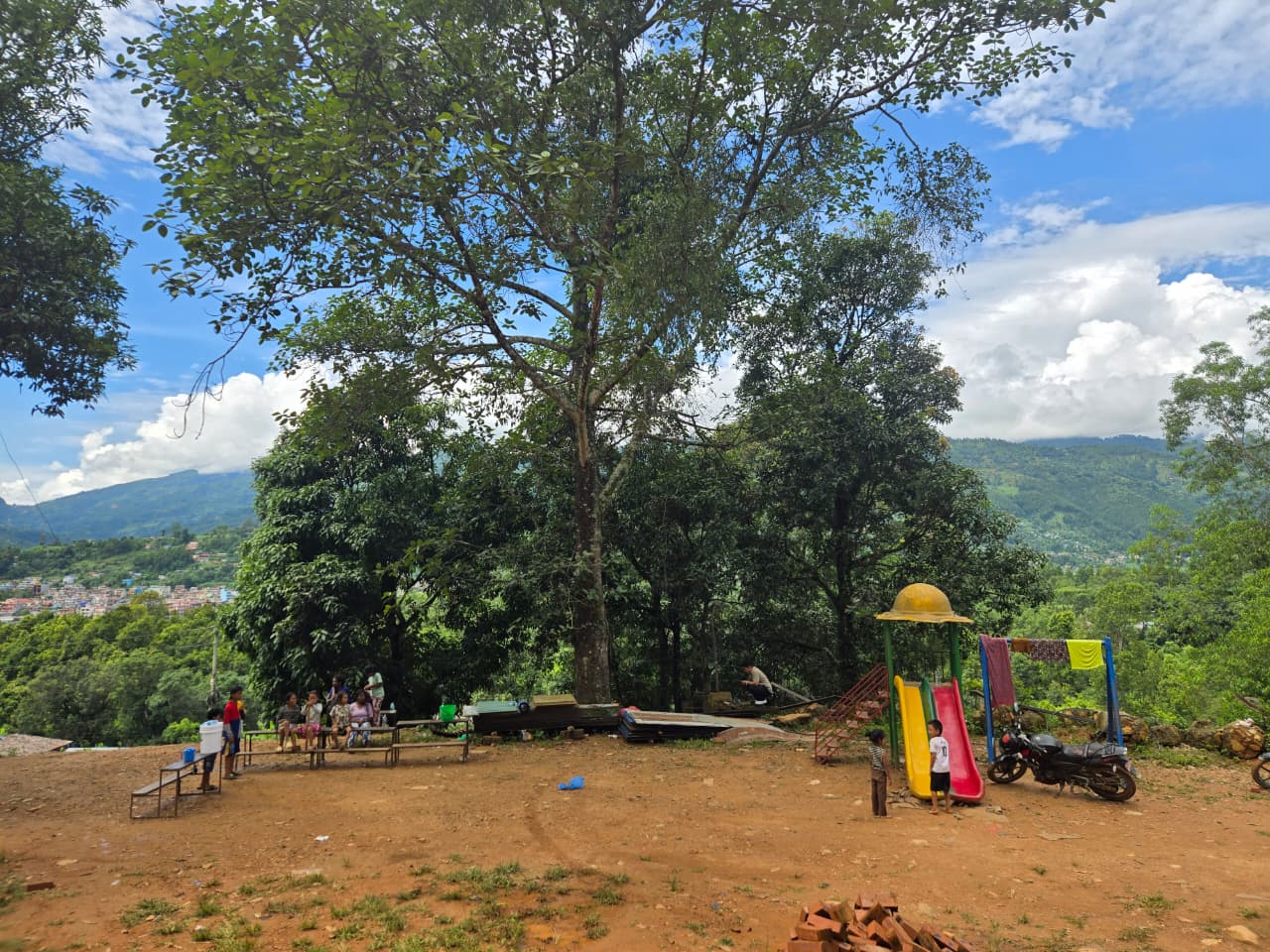
What Happened
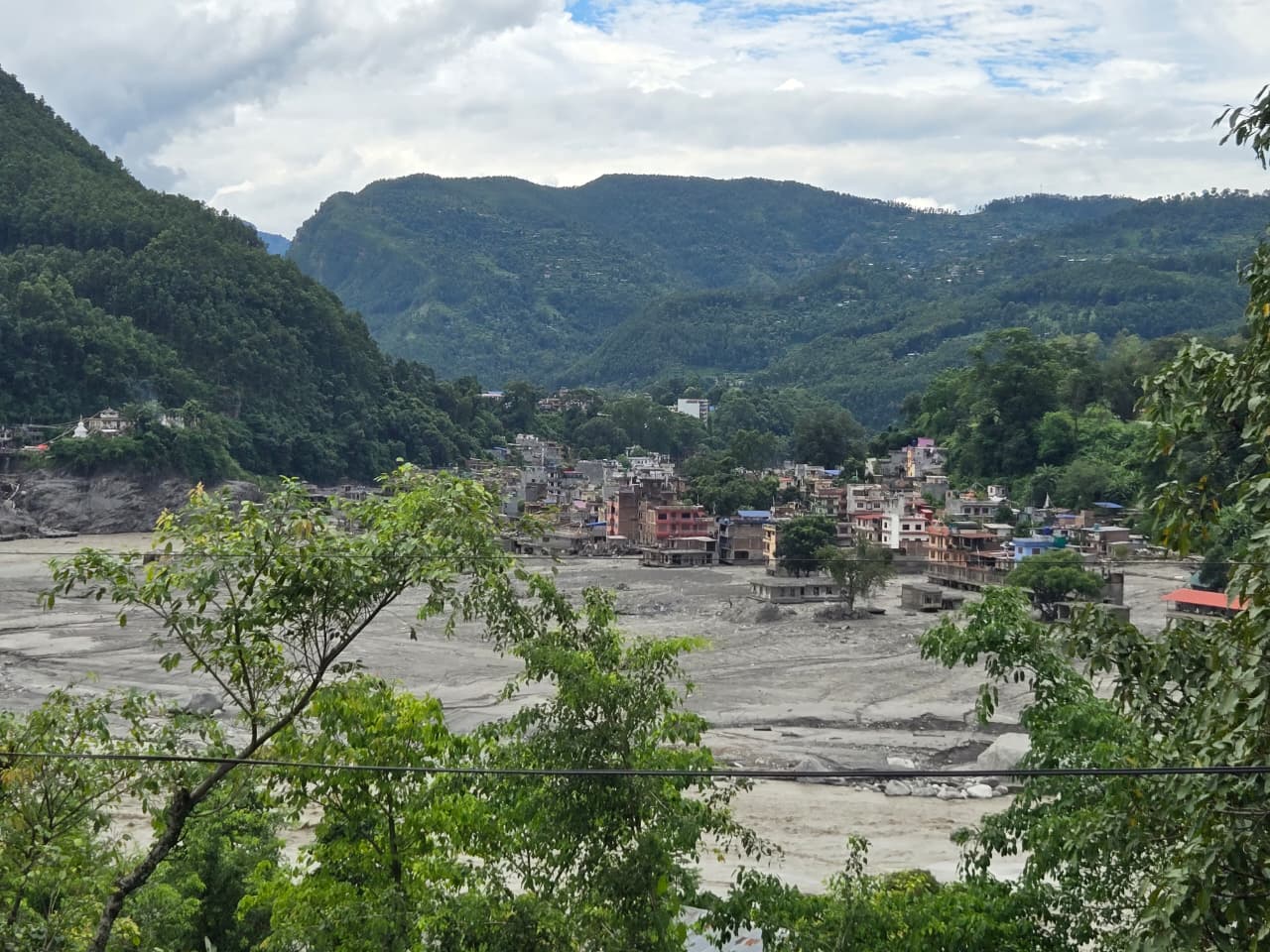
On the morning of 26 August 2026, a massive glacier collapse on Langtang Lirung in the Himalayas triggered a chain reaction of landslides and flash floods along the Nepal-China border region. The initial surge tore through the Lhende Khola, feeding into the Bhote Koshi and then the Trishuli River, sending a wall of water and debris racing south through Nepal. In the Trishuli River, water levels reportedly rose by up to 9 meters in just 30 minutes, with floodwaters moving at up to 70 kilometers per hour.
The disaster devastated a 72-kilometer stretch of the Trishuli River, destroying the Gyirong checkpoint on the China-Nepal border and sweeping through dozens of settlements in Rasuwa, Nuwakot, Dhading, Gorkha, and Chitwan districts. Roads and bridges were washed away, cutting off entire communities and making it extremely difficult for rescue teams and humanitarian agencies to reach those affected. The scale of loss has been staggering, with well over a thousand people confirmed dead and thousands still unaccounted for, and tens of thousands of people affected across the region.
K&A's Response on the Ground
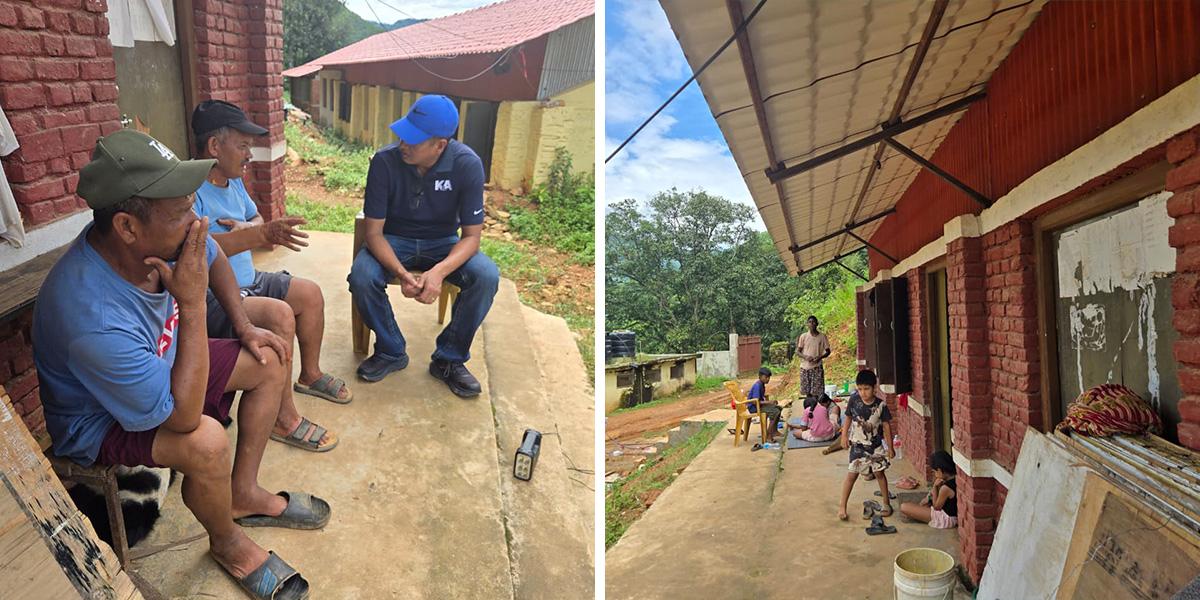
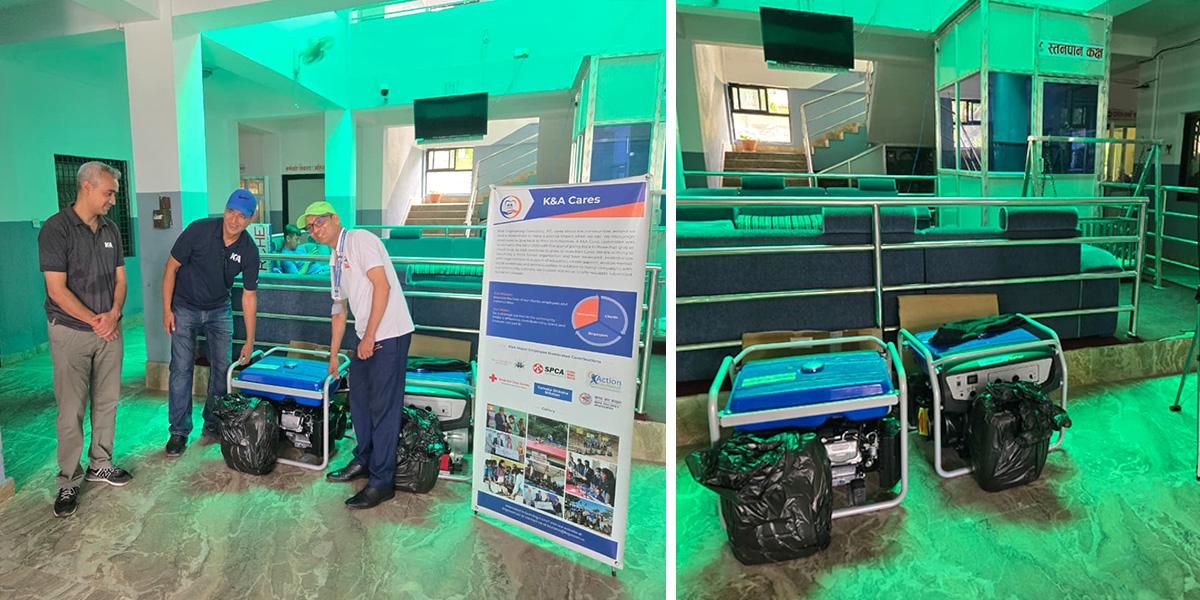
Wanting to personally stand with those affected and offer support firsthand, our CEO, Purna Kharel, and Director, Prabal Bhattarai, traveled to the disaster-hit region with two 5 kVA emergency generators and essential supplies, along with a team that helped deliver food, medicine, and other essential materials.
Unfortunately, with roads and access routes swept away by the flood, they could only reach so far. To ensure timely assistance still reached those who needed it most, the generators were handed over to the Chief District Officer (CDO) Office at Nuwakot for distribution to the affected communities.
In addition to this on-the-ground effort, K&A donated NPR 500,000 to the Prime Minister's Disaster Relief Fund to support ongoing relief and recovery efforts across the affected districts.
A Glimpse of Devastation
The images captured during this visit show only a fraction of the devastation left behind: homes buried in sludge, roads erased, and communities just beginning the long journey toward recovery. The challenges ahead remain immense, and the need for continued support is far from over.
Our thoughts remain with everyone affected by this tragedy. In times like these, even the smallest act of support can make a meaningful difference, and we remain committed to standing with the communities and beyond as they rebuild.